
Soy sauce is one of those ingredients I’ve always had in the kitchen.
Growing up around Asian food, it was never something I thought needed much explanation. You had soy sauce, you added it to food, and that was that.
The more I’ve cooked, though, the more I’ve realised that “soy sauce” isn’t really one ingredient.
Light soy, dark soy, naturally brewed soy sauces, sweet soy and different regional styles can all taste and behave differently.
Even two bottles that both say “light soy sauce” can vary in saltiness, aroma, fermentation, sweetness and intensity.
These days I try to specify exactly what I’m using rather than simply writing soy sauce in a recipe.
The Soy Sauce I Currently Use
At the moment, I use a lot of Amoy soy sauces and condiments.
I also sell Amoy products, so I want to be upfront about that whenever I recommend them on Creacipes.
But I was using and choosing them for my own cooking for a reason.
One of the things I like about some of Amoy’s range is its emphasis on traditional fermentation.
For example, Amoy describes its Deluxe First Extract Soy Sauce as naturally fermented from non-GMO soybeans, wheat flour, water, salt and sugar, without added preservatives, MSG, flavour enhancers or artificial colouring. Its Gold Label Soy Sauce is also described as naturally brewed and naturally fermented.
That’s something I’ve become more interested in as I’ve paid more attention to how ingredients are actually produced.
It doesn’t automatically mean one brand of soy sauce is “good” and another is “bad”, and plenty of other manufacturers also make naturally brewed soy sauces.
It simply gives me another reason to pay attention to which bottle I’m using, rather than treating all soy sauce as interchangeable.
Naturally Brewed vs Other Soy Sauces
Traditional soy sauce production relies on fermentation.
Soybeans, and often wheat, are fermented over time to develop the savoury aroma, umami and complex flavour we associate with soy sauce.
There are also faster industrial ways of producing soy-flavoured seasonings, including using hydrolysed vegetable proteins and additional flavouring, colouring or sweetening ingredients.
That doesn’t mean every inexpensive soy sauce is chemically produced, and it doesn’t mean every product from one particular company is made in the same way.
You really have to look at the individual bottle and ingredient list.
For example, Lee Kum Kee’s Australian Premium Soy Sauce is also described by the company as traditionally brewed from soybeans and wheat flour.
So rather than judging purely by brand, I’ve started looking for things like:
- Whether the product says naturally brewed or naturally fermented
- The ingredient list
- Whether colour or flavour enhancers have been added
- The type of soy sauce
- How it actually tastes in my cooking
Ultimately, the last one matters most to me.
If You Don’t Have the Soy Sauce I Used
Don’t abandon a recipe because you have a different soy sauce.
For most Creacipes marinades, sauces and stir-fries, another soy sauce can usually be made to work.
The main thing is not assuming they’re identical.
Different brands and styles can vary significantly in saltiness and intensity.
My general rule is:
Start with a little less, taste, then add more if needed.
| If my recipe uses | First substitute I’d try | What to expect |
|---|---|---|
| Chinese Light Soy Sauce | Another light soy or Japanese soy sauce | Saltiness and aroma may differ |
| Japanese Soy Sauce | Chinese light soy | Often slightly different in balance and fermentation character |
| Dark Soy Sauce | Light soy + a little sweetness if needed | Less colour and depth |
| Sweet Soy / Kecap Manis | Soy sauce + honey or brown sugar | Adjust sweetness gradually |
| Tamari | Regular soy sauce | Usually workable, but flavour and saltiness can differ |
These aren’t exact equivalents.
Taste the food, not the measuring spoon.
Soy Sauce Isn’t Just Salt
Soy sauce obviously adds saltiness, but if that were its only purpose we could just use salt.
What makes soy sauce useful is everything else it brings:
umami, fermented flavour, aroma and colour.
A little light soy can season a marinade without dramatically darkening it.
Dark soy can transform the colour of a braise or noodle dish with only a relatively small amount.
A good naturally brewed soy sauce can also have enough aroma and complexity that you can actually taste the soy itself rather than just saltiness.
That’s why I’ve stopped thinking:
“How much soy sauce does this recipe need?”
and started thinking:
“What do I want the soy sauce to do?”
Soy Sauces I’m Using
Light Soy Sauce
This is the style you’ll probably see most often in my recipes.
Light doesn’t mean low-sodium or weak.
It’s generally lighter in colour and used primarily for seasoning.
I reach for it when I want saltiness, umami and soy flavour without turning the entire dish dark.
I use it in: marinades, stir-fries, dipping sauces and general everyday cooking.
What I’m looking for: savouriness, aroma and seasoning.
Dark Soy Sauce
Dark soy has a different role.
I use it when I deliberately want colour and depth.
It’s generally darker and can be thicker or slightly sweeter depending on the product.
A small amount can give braised meat, noodles or sauces a deep brown colour without requiring huge quantities of soy sauce.
I use it in: braises, noodles, darker marinades and sauces.
What I’m looking for: colour, depth and richer soy character.
Japanese Soy Sauce
Japanese soy sauce, or shoyu, has its own balance and character.
I don’t treat it as identical to Chinese light soy, even though I’ll substitute between them at home when necessary.
If I’m making something Japanese-inspired, it’s usually where I’d start.
I use it in: dipping sauces, Japanese-inspired marinades and dishes where the soy itself is prominent.
Tamari
Tamari is something I want to experiment with more.
It’s often richer and more soy-forward, and many versions contain little or no wheat.
However, if gluten matters, always check the actual label rather than assuming every tamari is gluten-free.
Sweet Soy
Sweet soy sauces such as kecap manis are doing several jobs at once.
They’re adding soy flavour, sweetness, colour and body.
That’s why replacing sweet soy with ordinary light soy sauce alone usually doesn’t work particularly well.
If I don’t have sweet soy, I’ll normally start with soy sauce and add honey or sugar until the balance feels right.
Light Soy and Dark Soy Are Not the Same Thing
This is probably the most useful distinction to understand.
I think of them like this:
Light soy = seasoning.
Dark soy = colour and depth.
That isn’t an absolute rule, but it’s a useful starting point.
It’s also why some recipes use both.
The light soy seasons the food while a smaller amount of dark soy gives the dish the colour and deeper character you’re looking for.
Once I understood that, using two different soy sauces in the same recipe made much more sense.
Soy Sauce in Marinades
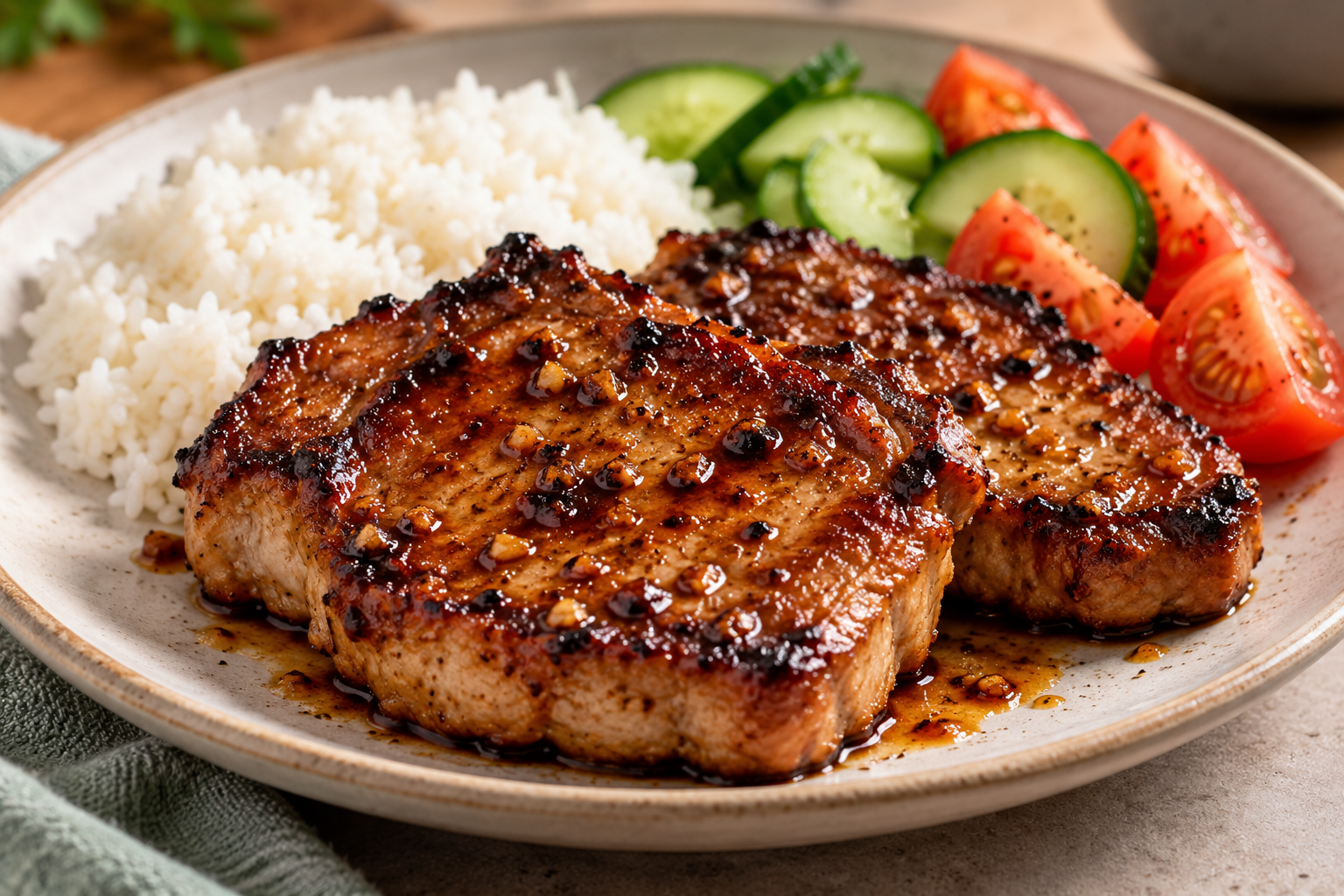
I use soy sauce frequently when marinating chicken, pork and beef.
It’s partly there to season the meat, but it’s also contributing amino acids and fermented flavours.
When those ingredients are combined with something containing sugars, such as honey, and then exposed to high heat, you can get excellent browning and savoury roasted flavours.
That’s why simple combinations such as:
soy sauce + honey + garlic
work so reliably.
But I’ve also learned that adding more soy doesn’t necessarily create more flavour.
At some point it simply makes the food too salty.
I now treat soy sauce as something to balance with the rest of the marinade rather than pouring it in until everything looks dark enough.
Brand Matters, But Product Matters More
I currently use and sell Amoy products, and as I continue experimenting with them I’ll add more specific notes here about which products I prefer for different purposes.
That may eventually include comparisons between:
- Light soy sauces
- First extract soy sauces
- Dark soy sauces
- Naturally fermented products
- Different brands
- Different salt levels
But I don’t want this page to turn into advertising copy.
If I recommend a product here, I want it to be because I’ve actually cooked with it and found a reason to prefer it.
And if another brand makes something I like better for a particular job, I’ll say that too.
Disclosure
I sell some Amoy products through my own business.
Unless otherwise stated, the opinions on this page are based on products I’ve personally used and are not paid endorsements.
If Creacipes later earns affiliate commission, receives a product for free or publishes sponsored content, I’ll clearly disclose that relationship.
An Ongoing Experiment
Like my Cooking with Honey and Cooking with Vinegar guides, this page will change as I learn more.
I’m interested in fermentation, different styles of soy sauce and how much difference the production method actually makes once the ingredient is used in a finished dish.
Some differences may turn out to matter a lot.
Others may disappear completely once soy sauce is mixed with garlic, chilli, honey, vinegar and everything else in a recipe.
That’s what I want to find out.
The goal isn’t to identify one “best” soy sauce.
It’s to understand what’s in the bottle, what it contributes to the food and when that difference is actually worth caring about.
Cook with this ingredient
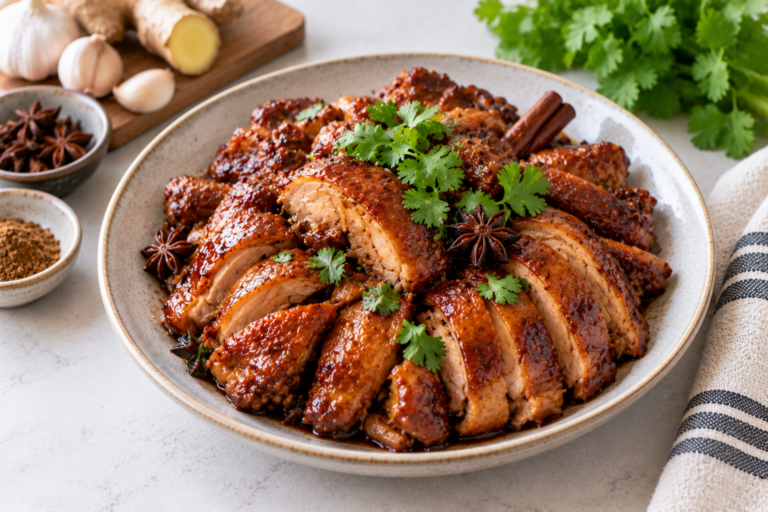
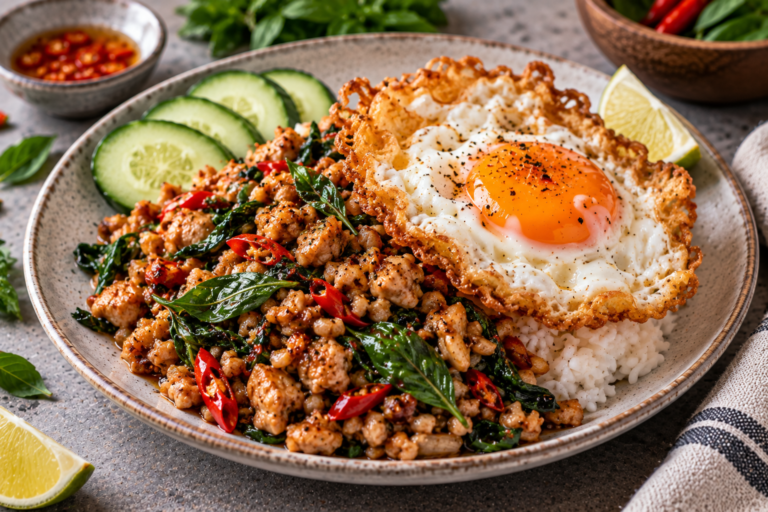
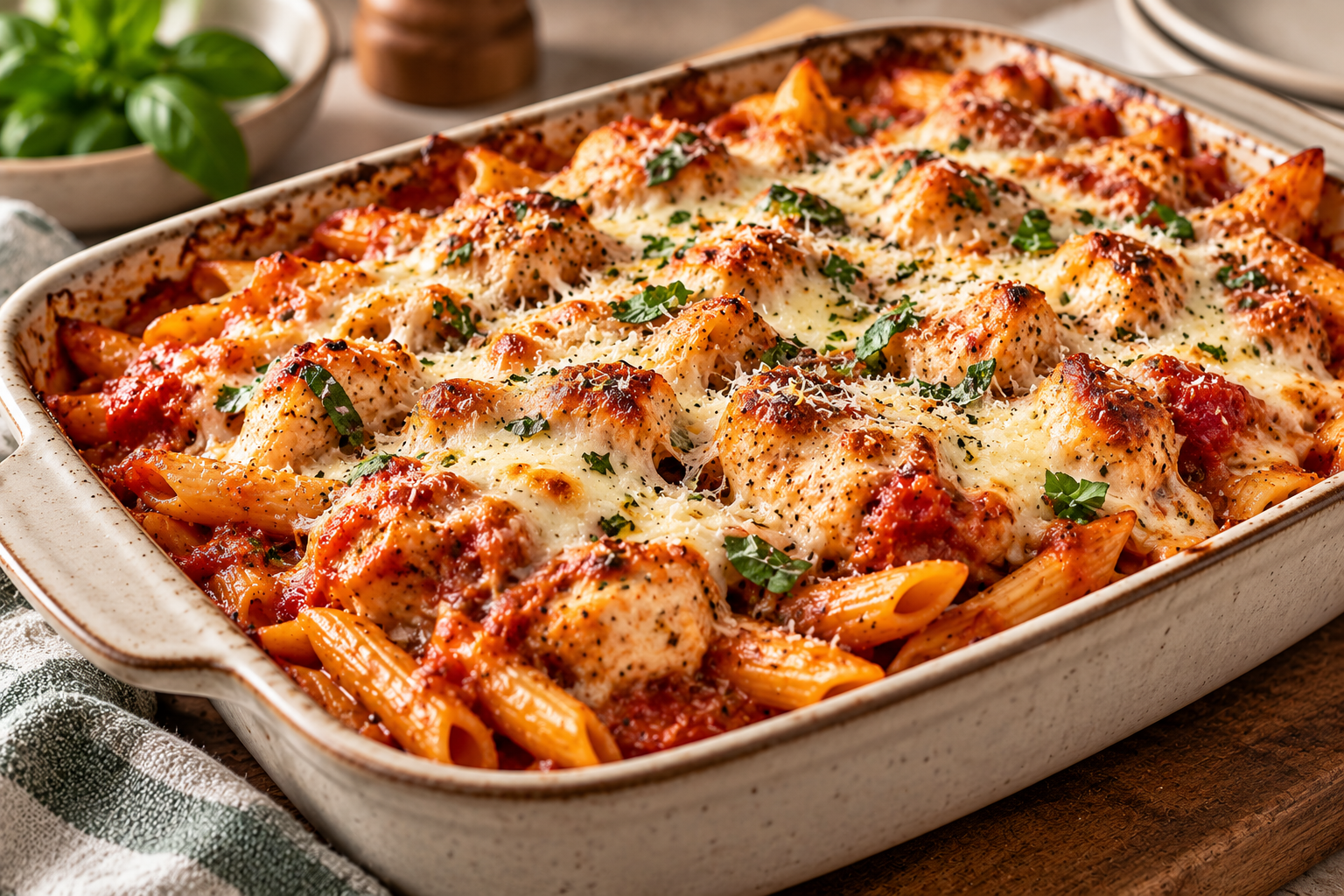
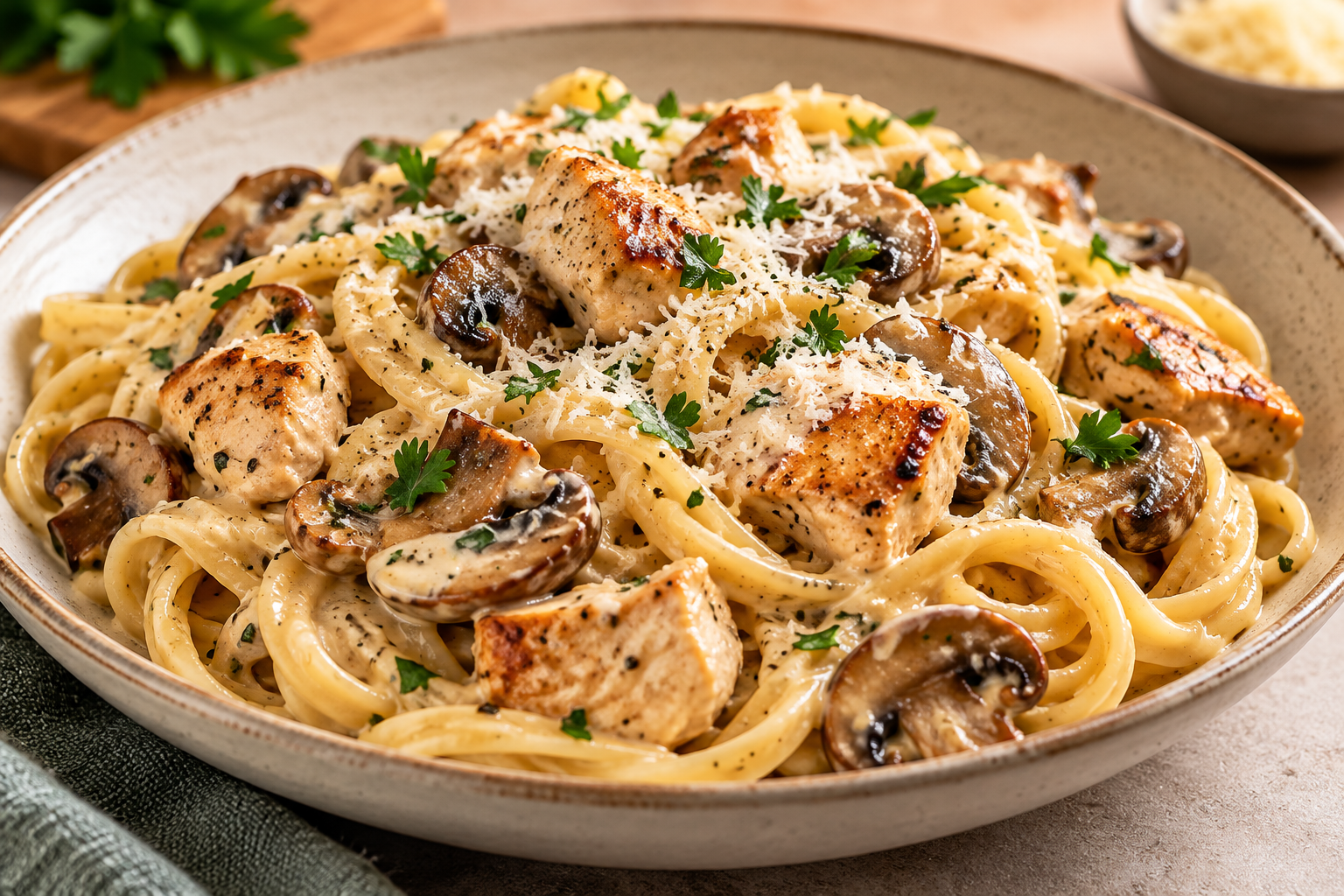
Try this ingredient in one of these recipes.


Questions or tips about this ingredient?