
From everyday button mushrooms to shiitake, wood ear and snow fungus
I used to think of mushrooms mostly as different versions of the same ingredient. Button mushrooms, Swiss browns, shiitake, whatever was available.
The more I’ve cooked with them, especially across Chinese, Vietnamese and Western dishes, the more I’ve realised how differently they behave.
Some mushrooms are great for browning in a hot pan. Some are better at soaking up sauces and adding umami to a dish. Others, particularly some of the fungi used in Chinese cooking, are there as much for their texture as their flavour.
Growing up with Chinese and Vietnamese food also meant ingredients like dried shiitake and wood ear never seemed particularly unusual to me. But they’re used very differently from the button mushrooms, Swiss browns and portobellos I’d later cook with in Western dishes.
So this isn’t meant to be a guide to every edible fungus in the world. It’s a collection of the ones I actually cook with, what I think they’re good at, and how I use them.
Mushrooms Aren’t All Interchangeable
You can substitute one mushroom for another in plenty of recipes, but the result isn’t necessarily going to be the same.
A button mushroom cooked in butter becomes soft and juicy. A king oyster mushroom can stay dense and almost meaty. Dried shiitake can flavour an entire braise. Wood ear might contribute very little flavour but give a stir-fry a completely different texture.
That’s why I find it more useful to choose mushrooms based on what I want them to do in the dish, rather than simply treating “mushrooms” as one ingredient.
| Mushroom / Fungus | Flavour | Texture | I like it for |
|---|---|---|---|
| Button | Mild | Soft and juicy | Breakfasts, pasta, sauces |
| Swiss brown / Cremini | Earthier and more savoury | Firm | Pasta, pan-frying, sauces |
| Portobello | Rich and earthy | Dense and meaty | Grilling, roasting |
| Shiitake | Strong savoury/umami | Firm, slightly chewy | Stir-fries, soups, braises |
| Dried shiitake | Very savoury and aromatic | Dense and chewy | Chinese braises, soups, stocks |
| Oyster | Mild and savoury | Tender | Stir-fries, high-heat cooking |
| King oyster | Mild | Dense and meaty | Searing, grilling, stir-fries |
| Enoki | Very mild | Fine and slightly crisp | Hotpot and soups |
| Shimeji | Savoury, slightly nutty | Firm | Stir-fries, soups, mixed mushroom dishes |
| Wood ear | Very mild | Crunchy and springy | Chinese stir-fries, soups |
| Snow fungus | Almost neutral | Delicate, slightly gelatinous | Chinese soups and desserts |
The Ones I Use
Button Mushrooms
Probably the most straightforward mushroom and the one I think of when a Western recipe simply says “mushrooms.”
They’re mild enough to take on butter, garlic, herbs, cream, wine and other stronger flavours without dominating the dish.
I use them when I want mushrooms to be part of a dish rather than the flavour of the dish.
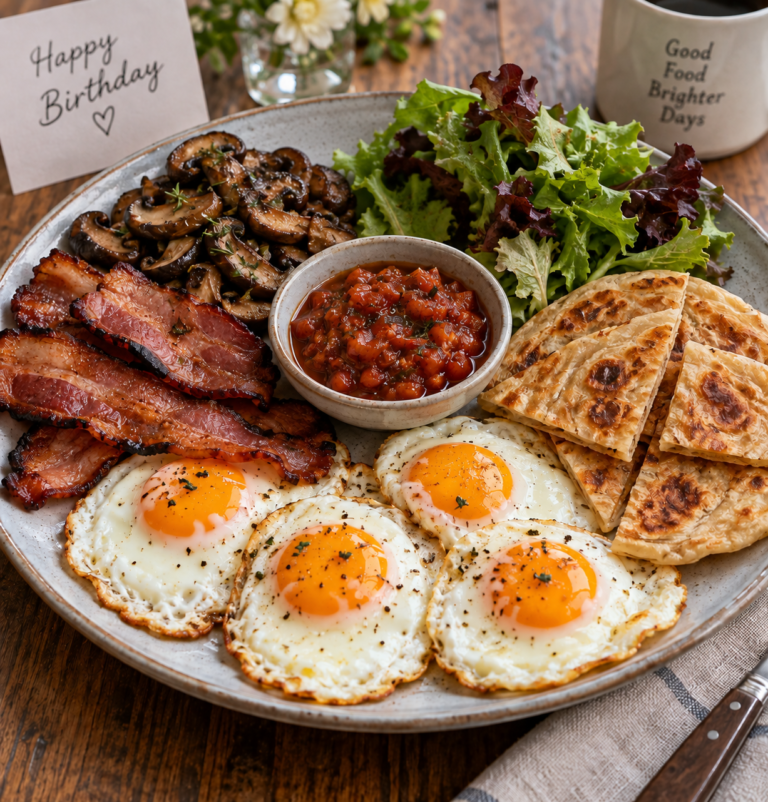
Good for: breakfast, pasta, creamy sauces, pizza, soups and simple pan-fried mushrooms.
Swiss Brown / Cremini
These are one of my favourite easy upgrades from button mushrooms.
They’re still versatile, but I find them a little deeper and more savoury. They also hold their shape nicely when browned.
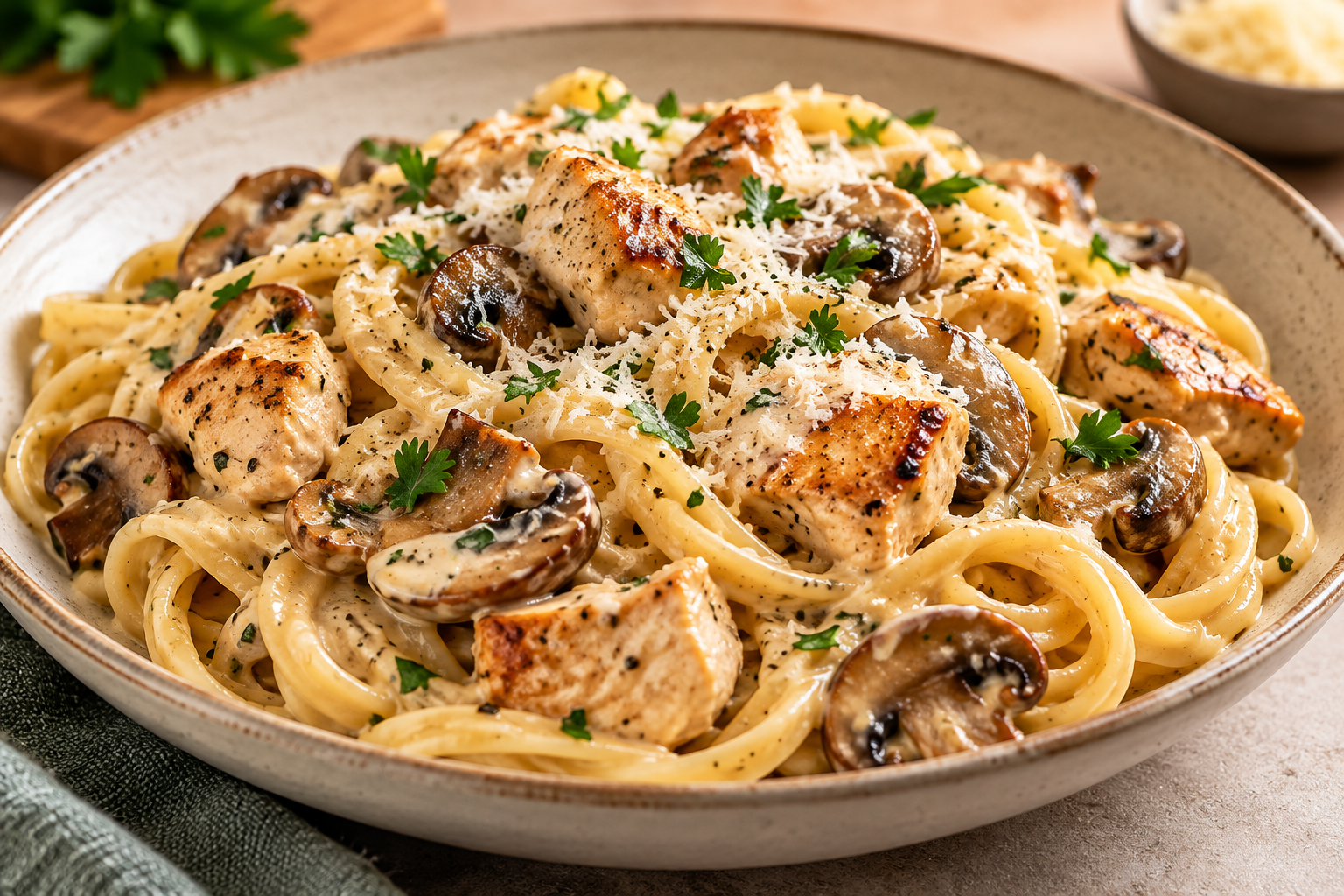
If I’m making a mushroom pasta or something where the mushrooms are more important to the finished dish, I’ll generally choose these over buttons.
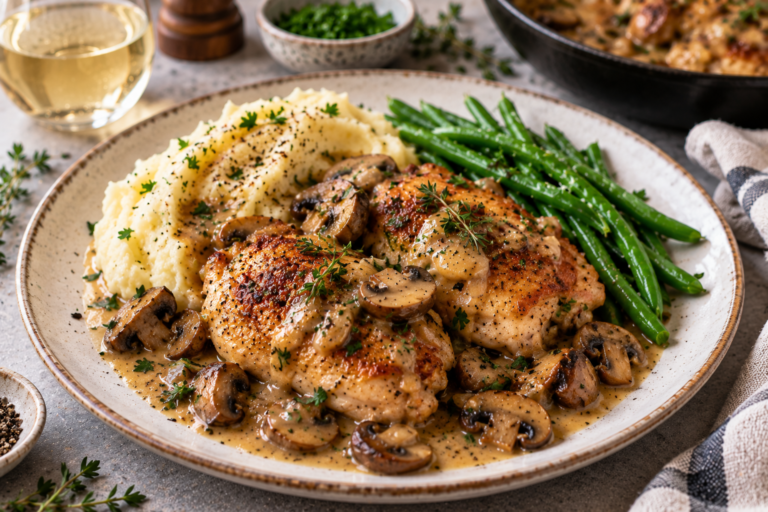
Good for: pasta, risotto, pan sauces, steak sides and mixed mushroom dishes.
Portobello
Portobellos are essentially the big, mature end of the common mushroom family, but in cooking they behave almost like their own ingredient.
Their size and firmer texture means you can grill or roast them without them disappearing into the dish.
I particularly like them when I want the mushroom itself to be one of the main components rather than chopped into a sauce.
Good for: grilling, roasting, burgers, stuffing and substantial vegetable dishes.
Asian Mushrooms
Shiitake
Shiitake is where mushroom flavour starts becoming much more obvious.
It has a strong savoury character and considerably more personality than a button mushroom. I use it frequently in Chinese-style cooking where that stronger mushroom flavour works with soy sauce, oyster sauce, ginger and garlic.
Fresh shiitake and dried shiitake are also different enough that I don’t really think of them as identical ingredients.
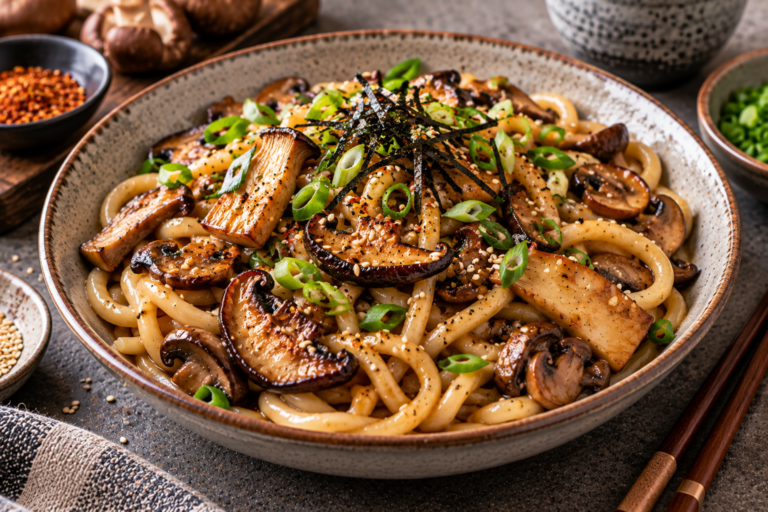
Good for: stir-fries, noodles, soups, steamed dishes and braises.
Dried Shiitake / 冬菇
This deserves its own section.
Drying shiitake concentrates and changes its aroma. Once rehydrated, dried shiitake has a much stronger flavour than fresh shiitake and a denser, chewier texture.
It’s one of those pantry ingredients where the soaking liquid can be almost as useful as the mushroom itself.
I usually soak dried shiitake until completely softened, squeeze out the excess water, remove the tough stem and then slice or use them whole depending on the dish.
Don’t automatically throw away the soaking liquid.
Once strained to remove grit, it can be added to braises, soups, sauces or rice for extra mushroom flavour.
That’s particularly useful when I want more savoury depth without simply adding more soy or oyster sauce.
Oyster Mushrooms
Oyster mushrooms are much more delicate.
Rather than cutting them neatly, I generally like tearing them into natural pieces. The irregular edges brown particularly well.
They can become quite soft if slowly cooked in liquid, so when I’m using them in a stir-fry I prefer a hot pan and relatively short cooking time.
They’re also great with garlic, lemongrass and chilli.
Good for: stir-fries, high-heat pan frying, noodles and vegetarian dishes.
King Oyster Mushrooms
Despite the name, king oyster mushrooms cook very differently from ordinary oyster mushrooms.
The thick stem is the interesting part.
It’s dense, firm and almost meaty, which means it can be sliced, scored, seared or grilled rather than simply tossed through a dish.
They also don’t have an overpowering mushroom flavour, so they’re particularly good at taking on marinades and sauces.
Good for: searing, grilling, stir-fries, skewers and dishes where you want substantial mushroom texture.
Enoki
Enoki is much more about texture than strong mushroom flavour.
The long thin stems soften quickly while retaining a little bite, so I don’t cook them for very long.
They’re one of those ingredients I associate immediately with hotpot. Drop them into the broth towards the end and they really don’t need much else.
Good for: hotpot, soups, noodle dishes and quick stir-fries.
Shimeji
Shimeji sits somewhere between delicate mushrooms and firmer varieties for me.
It holds together well, has a pleasant savoury flavour and works particularly well when mixed with other mushrooms.
One important difference from some other mushrooms is that shimeji should be cooked rather than eaten raw, as cooking removes its unpleasant raw bitterness.
Good for: stir-fries, soups, pasta and mixed mushroom dishes.
Then There Are the Fungi
Some ingredients I’ve always associated with the general mushroom category in cooking don’t behave much like conventional mushrooms at all.
That’s one reason I’ve called this page Mushrooms & Fungi.
Wood Ear / 木耳
Wood ear is a perfect example.
I don’t use it because I want something to taste strongly of mushrooms. Its flavour is very mild.
I use it for the texture.
Once properly rehydrated, it’s springy, slightly crunchy and provides a completely different bite from the meat and vegetables around it.
That’s particularly useful in Chinese stir-fries where several contrasting textures can be part of the same dish.
Dried wood ear expands a lot, so you generally need much less than you think.
Good for: stir-fries, soups, dumpling fillings and cold Chinese dishes.
Snow Fungus / 雪耳
Snow fungus is another ingredient that’s more about texture than mushroom flavour.
Once soaked it expands into delicate translucent clusters. Depending on how long it’s cooked, it can retain some bite or become much softer and almost gelatinous.
Unlike most of the mushrooms on this page, it’s also commonly used in Chinese sweet soups and desserts.
Good for: Chinese soups, slow-cooked dishes and traditional sweet soups.
Fresh vs Dried Mushrooms
This is particularly important in Chinese cooking.
Dried mushrooms aren’t necessarily an inferior substitute for fresh ones. Sometimes the dried version is the ingredient you actually want.
Fresh shiitake gives you a relatively clean mushroom flavour and tender texture.
Dried shiitake gives you a stronger aroma, chewier texture and flavoured soaking liquid.
So if a Chinese braise specifically calls for dried shiitake, replacing it with fresh shiitake will still give you mushrooms, but it won’t produce exactly the same dish.
How I Brown Mushrooms
One of the biggest improvements I made to cooking mushrooms was simply learning to stop moving them around constantly.
Mushrooms contain a lot of water. Put too many into a small pan and they’ll release moisture faster than it can evaporate. Instead of browning, they effectively steam.
For mushrooms I actually want browned:
- Get the pan properly hot.
- Don’t overcrowd it.
- Add enough oil or fat to lightly coat the pan.
- Add the mushrooms.
- Leave them alone.
- Let one side develop colour before tossing or turning.
- Add easily burnt ingredients such as minced garlic later.
If I’m cooking a large quantity, I’d rather use two batches than pile everything into one pan.
This doesn’t apply equally to every fungus. I’m not trying to develop a golden crust on snow fungus or wood ear.
Again, it comes back to asking what I want that particular ingredient to do.
Mushrooms and Oil
Mushrooms can seem to make oil disappear.
Their structure allows them to absorb liquid and fat, particularly early in cooking. It’s tempting to keep pouring more oil into the pan every time it looks dry.
I try not to.
As the mushrooms cook and release their own water, things usually start moving around the pan more easily.
If I’m trying to keep a dish relatively light, I’ll add oil gradually rather than automatically giving the mushrooms everything they’ll absorb.
When I Salt Mushrooms
You’ve probably heard that salting mushrooms too early makes them release water and prevents browning.
There’s some truth behind the observation that salt encourages moisture to come out, but I don’t treat “never salt mushrooms early” as an absolute rule.
If I want maximum browning, I’ll usually get some colour onto them first and season afterwards.
If they’re going into a sauce, soup or braise where browning isn’t particularly important, I’m much less concerned about when the salt goes in.
For me, pan temperature and overcrowding make a bigger practical difference than obsessing over the exact second the salt touches the mushrooms.
Cleaning Mushrooms
I don’t think mushrooms need to be treated as though a drop of water will ruin them.
If they’re relatively clean, I’ll brush or wipe away visible dirt.
If they’re genuinely dirty, I’ll rinse them quickly and dry them rather than eating dirt for the sake of culinary tradition.
What I don’t do is leave fresh mushrooms sitting in water unnecessarily.
For dried mushrooms and fungi, soaking is obviously a completely different story because rehydrating them is part of preparing the ingredient.
What I’d Substitute
There isn’t a perfect mushroom substitution chart because it depends on what the mushroom is doing in the recipe.
But as a starting point:
Button ↔ Swiss brown
Usually an easy substitution.
Swiss brown ↔ Portobello
Similar flavour family, although you’ll need to account for the much larger size.
Fresh shiitake ↔ oyster/shimeji
Possible in many stir-fries, but the flavour and texture will change.
Oyster ↔ king oyster
They’re related, but I don’t consider them direct substitutes because the textures are so different.
Fresh shiitake ↔ dried shiitake
Possible sometimes, but definitely not equivalent. Dried shiitake is substantially more intense.
Wood ear ↔ conventional mushrooms
Not really. If wood ear is there for crunch, replacing it with button mushrooms misses the point.
Snow fungus ↔ conventional mushrooms
Again, not really interchangeable.
Building a Mixed Mushroom Dish
If I’m using several varieties together, I don’t necessarily want three mushrooms that all do the same thing.
I’d rather combine different characteristics.
For example:
Swiss brown + shiitake + oyster
gives me a familiar browned mushroom, a stronger umami mushroom and something more delicate.
Or:
Shiitake + king oyster + wood ear
gives me strong mushroom flavour, dense meaty texture and crunch.
That’s much more interesting to me than simply adding more varieties for the sake of saying a dish contains five mushrooms.
Mushrooms in Different Cuisines
One of the things I like most about mushrooms is seeing how differently they’re treated around the world.
In a Western-style dish I might cook Swiss browns in butter with garlic and thyme.
In a Cantonese dish I might use dried shiitake with oyster sauce, ginger and Shaoxing wine.
For Vietnamese cooking I might stir-fry oyster mushrooms with lemongrass and fish sauce.
In Japanese-inspired cooking I might pair shimeji and shiitake with miso, soy or butter.
The ingredient might broadly be a mushroom, but the reason I’ve chosen that particular mushroom can be completely different.
That’s really the point of this page.
Don’t just choose a mushroom. Choose what you want the mushroom to do.
My Quick Guide
If I want mild and versatile: button.
If I want a stronger everyday mushroom: Swiss brown.
If I want large and meaty: portobello.
If I want strong umami: shiitake.
If I want deep Chinese mushroom flavour: dried shiitake.
If I want delicate pieces that brown well: oyster.
If I want a dense, meaty bite: king oyster.
If I want something for hotpot: enoki.
If I want small, firm mushrooms: shimeji.
If I want crunch: wood ear.
If I want delicate texture in Chinese soups or desserts: snow fungus.
Cook with this ingredient
Try this ingredient in one of these recipes.

Questions or tips about this ingredient?