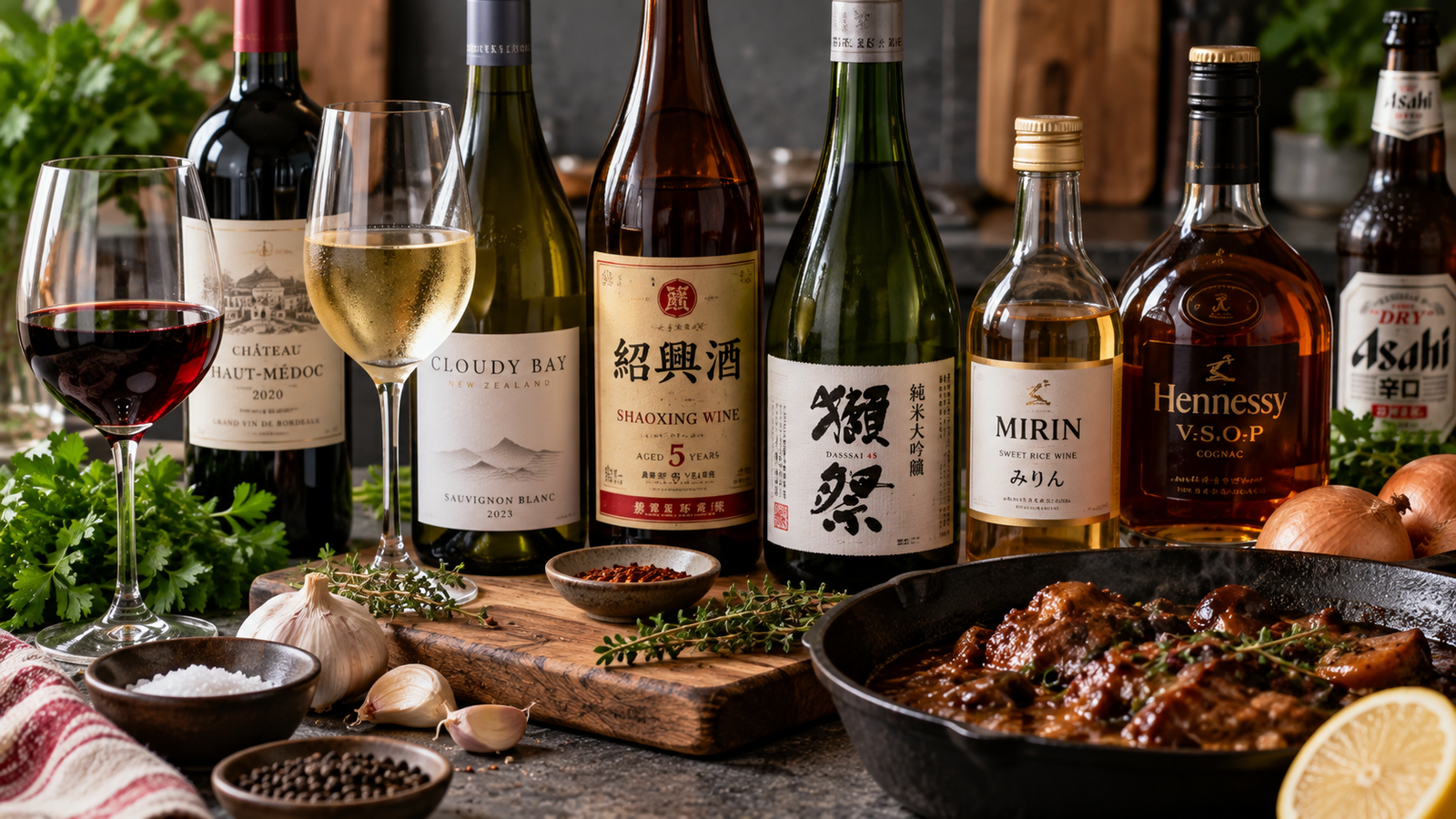
Wine, cooking wine, spirits and why I use them
Alcohol is one of those ingredients I used to treat pretty simply. If a recipe said red wine, I’d use red wine. If a Chinese recipe called for cooking wine, I’d add cooking wine.
The more I’ve cooked, the more I’ve realised that the type of alcohol matters just as much as the amount.
Red wine can give a beef stew depth and acidity. White wine can brighten seafood or a pan sauce. Shaoxing wine adds a flavour I immediately associate with Chinese cooking. Sake is much more delicate, while something stronger like brandy can completely change a sauce even when only a small amount is used.
And then there’s the advice that seems to appear everywhere:
“The alcohol just cooks off.”
It’s not quite that simple.
So this page isn’t about putting alcohol into everything I cook. It’s about understanding what it actually contributes, when I think it’s worth using, what I substitute when I don’t have it, and when I’d rather leave it out altogether.
What Does Alcohol Actually Do in Cooking?
When I add wine or another alcoholic ingredient, I’m usually looking for one or more of four things:
Flavour
The drink itself brings flavour compounds from grapes, grains, fruits, herbs, oak ageing, fermentation or distillation.
Acidity and balance
Wine in particular can cut through rich meat, butter, cream and rendered fat.
Aroma
Alcohol can help carry aromatic compounds, which is part of the reason a splash of wine or spirits can noticeably change the smell and flavour of a dish.
Deglazing
After browning meat or vegetables, liquid helps dissolve the browned material stuck to the bottom of the pan. Wine is particularly useful because it adds flavour and acidity at the same time.
I don’t add alcohol simply because a recipe traditionally contains it. I want to know what it’s doing there.
The Alcohols I Cook With
| Type | General character | Where I use it |
|---|---|---|
| Dry white wine | Fresh, acidic, fruity | Seafood, chicken, pasta, pan sauces |
| Dry red wine | Richer, deeper, sometimes tannic | Beef, lamb, tomato sauces, braises |
| Shaoxing wine | Savoury, fermented, aromatic | Cantonese/Chinese stir-fries, marinades, braises |
| Sake | Clean, mild, slightly sweet | Japanese-inspired sauces, fish, chicken |
| Mirin | Sweet, mild, fermented | Glazes, teriyaki-style sauces, Japanese cooking |
| Sherry | Nutty to dry/sweet depending on type | Sauces, soups and some Chinese substitutions |
| Brandy/Cognac | Strong, fruity, warming | Cream sauces, meat, mushrooms |
| Marsala | Nutty, slightly sweet | Chicken, mushrooms, sauces |
| Beer | Malty, bitter to sweet | Batters, stews, braises |
| Rice wine | Varies considerably | Chinese and other Asian cooking |
One important lesson here is that “cooking alcohol” is not one category.
I wouldn’t expect red wine and Shaoxing wine to do the same job just because both contain alcohol.
White Wine
Dry white wine is probably one of the easiest alcoholic ingredients to cook with.
I like it with seafood, chicken, mushrooms and pasta because it gives the dish acidity and aroma without adding the heavier flavour or colour of red wine.
It works particularly well after something has been browned in a pan.
I’ll remove or move the main ingredient, pour in some wine and scrape up everything stuck to the bottom. That browned material becomes part of the sauce rather than staying attached to the pan.
What I look for
For most savoury dishes, I generally want a dry white wine, not something noticeably sweet.
Sauvignon Blanc, Pinot Grigio/Gris and unoaked Chardonnay can all work depending on the dish.
I wouldn’t normally open an expensive bottle specifically for cooking.
But I also wouldn’t deliberately buy terrible wine just because it’s going into food.
If I wouldn’t want the flavour anywhere near my dinner, reducing it in a saucepan probably isn’t going to improve the situation.
Red Wine
Red wine behaves differently.
It’s generally something I reach for when the rest of the dish can stand up to it: beef, lamb, tomato, mushrooms, slow braises and richer sauces.
Reduction concentrates flavour, so the characteristics of the wine become more noticeable rather than magically disappearing.
That includes things I might not want.
A very tannic or heavily oaked wine can become quite aggressive when reduced too far.
For everyday cooking, I’d usually rather use a reasonably balanced dry red than something extremely powerful.
Where I like it
Beef braises
Red wine sauces
Tomato-based meat sauces
Mushroom sauces
Slow-cooked lamb
Chorizo
My Chorizo in Red Wine is a good example where the wine isn’t a background ingredient. It’s effectively part of the sauce.
Shaoxing Wine / 紹興酒
This is one of the alcohols where I don’t think “just use some wine” is particularly useful advice.
Shaoxing wine has a distinctive fermented, savoury aroma that I associate immediately with Chinese cooking.
It’s particularly common in marinades, stir-fries, braises and sauces.
In Cantonese-style cooking, even a relatively small amount can change the aroma of a dish substantially.
I might use it with:
Beef and oyster sauce
Chicken
Fish and seafood
Mushrooms
Braised meats
Stir-fried vegetables
Marinades
It works particularly well alongside ginger, spring onion, soy sauce and oyster sauce.
Shaoxing wine vs Shaoxing cooking wine
This is worth checking on the bottle.
Some products sold specifically as cooking wine contain added salt. That means I can’t necessarily treat them exactly like drinking-quality Shaoxing wine.
If I’m using salted cooking wine, I take that into account before adding soy sauce or additional salt.
Taste the dish before seasoning automatically.
Sake
Sake gives me a different result from Shaoxing wine.
It’s generally cleaner and more delicate, which suits Japanese-style cooking where I don’t necessarily want the alcohol ingredient dominating everything around it.
I’ll use sake with fish, chicken, mushrooms and soy-based sauces.
It’s one of those ingredients where substituting Shaoxing wine will technically give you fermented rice wine, but it can pull the flavour of the dish in a noticeably different direction.
They’re not interchangeable just because they’re both rice-based alcoholic drinks.
Mirin
Mirin is where things get slightly confusing because it’s often grouped with cooking wines even though I use it differently.
Mirin contributes sweetness, gloss and flavour.
That makes it particularly useful in Japanese-style glazes and sauces.
If a recipe contains mirin, I don’t automatically treat it as though the only purpose is alcohol.
Replacing it with dry sake, for example, removes a significant source of sweetness.
Likewise, adding sugar to sake can approximate part of what mirin contributes, but it isn’t literally the same ingredient.
Another thing worth checking is whether the bottle is genuine mirin or a mirin-style seasoning, because products can vary considerably.
Sherry
Sherry covers a surprisingly broad range of flavours, from very dry to distinctly sweet.
For cooking, dry sherry is particularly useful.
It’s also one of the more common emergency substitutions suggested for Shaoxing wine.
I think that’s reasonable when Shaoxing isn’t available, particularly with a dry style, but I still treat it as a substitution rather than pretending the flavours are identical.
For a recipe where Shaoxing is a major flavour, I’d rather use Shaoxing.
For a tablespoon going into a stir-fry on a Tuesday night, dry sherry can get the job done.
Brandy and Cognac
This is a completely different way of cooking with alcohol.
Because spirits contain much more alcohol than wine, I generally use much smaller amounts.
Brandy works particularly well with mushrooms, beef and creamy pan sauces.
It can add a deep fruity aroma without requiring a large volume of liquid.
I also don’t think flambéing is compulsory just because brandy is involved.
You can simply add it carefully and allow it to cook and reduce.
If you do flambé something, that’s a technique that deserves proper attention rather than something I’d recommend casually waving a lighter over.
Beer
Beer is another huge category rather than a single flavour.
A light lager, stout and aggressively hopped IPA will produce completely different results.
Beer can add maltiness, bitterness, sweetness and roasted flavours depending on the style.
I particularly like the idea of beer for:
Batters
Beef stews
Slow braises
Sausages
Onions
Rich meat dishes
I’d be cautious with highly bitter beers in reductions because reducing liquid also concentrates bitterness.
Does the Alcohol Really Cook Off?
Not instantly.
This is probably the biggest misconception around cooking with alcohol.
When wine hits a hot pan, some alcohol begins evaporating, but that doesn’t mean every trace disappears within seconds.
How much remains depends on things like:
- How much alcohol was added
- How long the dish cooks
- Whether it’s simmered, baked or flambéed
- The size and shape of the pan
- Whether the alcohol is mixed throughout the food
- Whether the dish is covered
A quick splash of wine into a sauce that’s cooked for another minute is different from a braise that simmers for several hours.
So I don’t describe a dish containing alcohol as automatically alcohol-free simply because it has been cooked.
That’s particularly worth remembering when cooking for someone who avoids alcohol completely.
When Should I Add Alcohol?
It depends on what I’m making.
For deglazing
Usually after browning the main ingredient and before adding the rest of the sauce.
Add the wine, scrape the pan and allow it to reduce.
For stir-fries
Shaoxing wine is often added in relatively small quantities during high-heat cooking.
I want its aroma incorporated without turning my stir-fry into something swimming in liquid.
For braises
Alcohol may be added earlier because it has plenty of time to integrate with the other ingredients.
For finishing
Some dishes intentionally add an alcoholic ingredient relatively late because retaining some of its aroma is the point.
There isn’t one universal rule that says alcohol must always be cooked for a certain number of minutes.
Reducing Wine
Reduction is one of the most useful things to understand.
If I add 250 ml of wine and then immediately add stock, cream and everything else, I’ve diluted the wine.
If I first simmer that wine down to perhaps half its volume, I’ve concentrated its flavour before building the rest of the sauce.
But more reduction isn’t automatically better.
Reducing also concentrates:
Acidity
Sweetness
Tannins
Bitterness
Salt, if the alcoholic ingredient contains it
So I reduce until the wine tastes integrated and concentrated, not simply until an arbitrary amount of liquid has disappeared.
Cooking Wine vs Drinking Wine
The phrase “only cook with wine you’d drink” gets repeated a lot.
I think it’s useful advice, but it’s also a bit dramatic.
I don’t need to enjoy drinking a glass of every wine I cook with.
What matters more is that the wine isn’t faulty and doesn’t have characteristics I actively dislike for the dish.
A $10 bottle can make a perfectly good sauce.
A $100 bottle is mostly wasted in one.
And something sold as cooking wine can sometimes contain salt or other ingredients that change how it should be used.
Read the label rather than relying entirely on the words on the front.
What Can I Substitute?
This depends on what the alcohol is doing.
If it’s mostly providing acidity, I might use:
Stock + a little vinegar
Stock + lemon juice
If it’s providing liquid and savoury depth:
Chicken, beef or vegetable stock can often work.
If it’s providing sweetness, as with mirin:
A small amount of sugar or honey alongside another liquid may get closer.
If it’s providing a distinctive fermented flavour, as with Shaoxing:
Dry sherry is often a more useful substitute than simply using stock.
But I don’t believe every alcoholic ingredient needs a perfect alcohol-free imitation.
Sometimes I’d rather make a slightly different but good sauce than create a complicated substitute trying to reproduce something it can’t.
My Starting Substitution Guide
| If the recipe calls for | I’d consider |
|---|---|
| Dry white wine | Stock + small squeeze lemon or splash white wine vinegar |
| Red wine | Beef/vegetable stock + small amount red wine vinegar |
| Shaoxing wine | Dry sherry |
| Sake | Dry sherry in some dishes, or stock for alcohol-free cooking |
| Mirin | Sake + sweetness, or water/stock + sweetness for alcohol-free |
| Brandy | Often simply omit or use stock, depending on the sauce |
| Beer | Stock, although the resulting flavour will be different |
These aren’t exact replacements.
They’re starting points.
Alcohol and Salt
This is something I pay particular attention to with Asian cooking wines.
Plain wine usually doesn’t contribute much salt.
Salted cooking wine can.
If I’m making a sauce containing Shaoxing cooking wine, soy sauce and oyster sauce, I’ve potentially got three salty ingredients before I’ve touched the salt shaker.
That’s why I generally build the sauce first and adjust the final seasoning afterwards.
Alcohol and Sweetness
Alcoholic ingredients can also contain very different amounts of sugar.
Dry white wine isn’t equivalent to sweet white wine.
Dry sherry isn’t equivalent to cream sherry.
Sake isn’t equivalent to mirin.
A sweet wine reduced in a saucepan can become considerably sweeter.
So when I’m substituting one alcohol for another, sweetness is one of the first things I consider.
What I Keep at Home
I don’t think a home kitchen needs a bar full of alcohol specifically for cooking.
For the way I cook, a useful small collection would be:
Shaoxing wine for Chinese cooking.
Dry white wine when I’m making seafood, chicken, pasta or pan sauces.
Dry red wine for richer meat dishes and braises.
Sake and mirin when I’m cooking Japanese-style dishes often enough to justify keeping them.
Everything beyond that depends on what I’m actually cooking.
And if I already have an appropriate bottle open for drinking, I’m obviously more likely to use that than open another one just to put 100 ml into dinner.
My Quick Guide
If I’m cooking seafood or a light pan sauce:
Dry white wine
If I’m cooking beef, lamb or a rich braise:
Dry red wine
If I’m cooking Cantonese or Chinese:
Shaoxing wine
If I’m cooking Japanese and want something clean and savoury:
Sake
If I need sweetness and glaze in Japanese cooking:
Mirin
If I need a Shaoxing substitute:
Dry sherry
If I’m making a rich mushroom or cream sauce:
Brandy can be excellent
If I’m making a stew or batter:
Consider beer
The Main Thing I’ve Learned
Alcohol isn’t one ingredient.
Even calling something “wine” doesn’t tell me enough.
What matters is whether I’m trying to add acidity, sweetness, fermented flavour, aroma, bitterness, richness or simply enough liquid to lift everything stuck to the bottom of a pan.
Once I understand why the alcohol is there, it becomes much easier to decide which bottle to use, how much to add, whether I should reduce it, and whether I need it at all.
I don’t want to use something simply because a recipe tells me to.
I want to understand what it’s doing to the food.
Cook with this ingredient
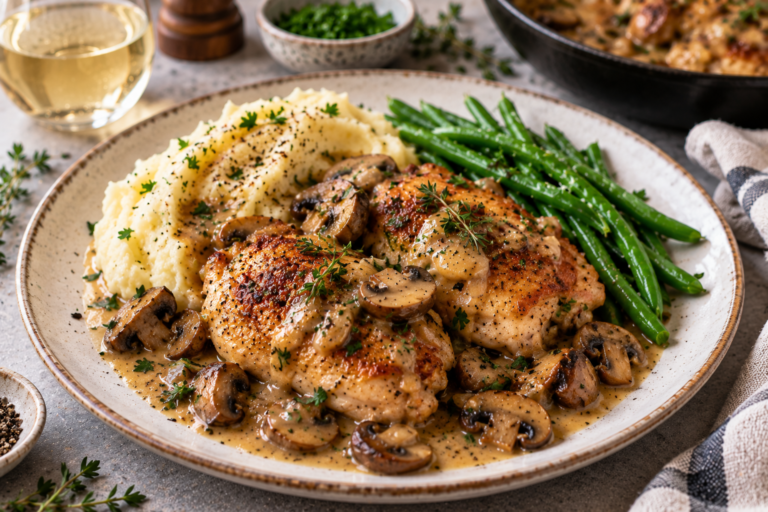
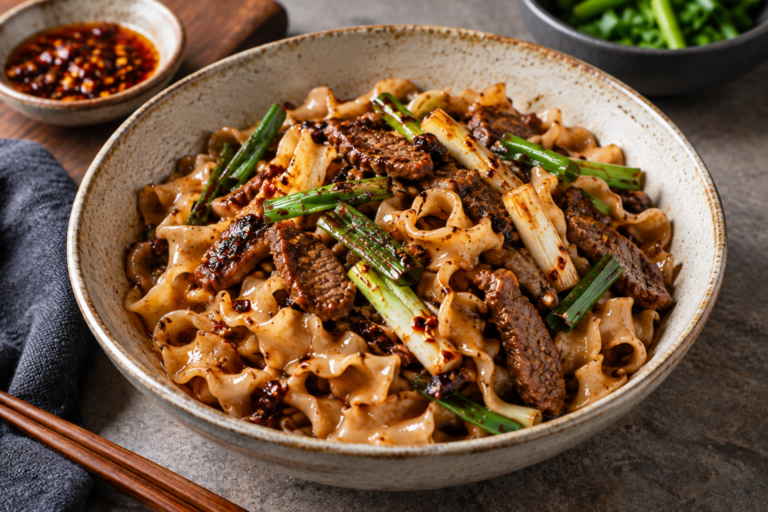
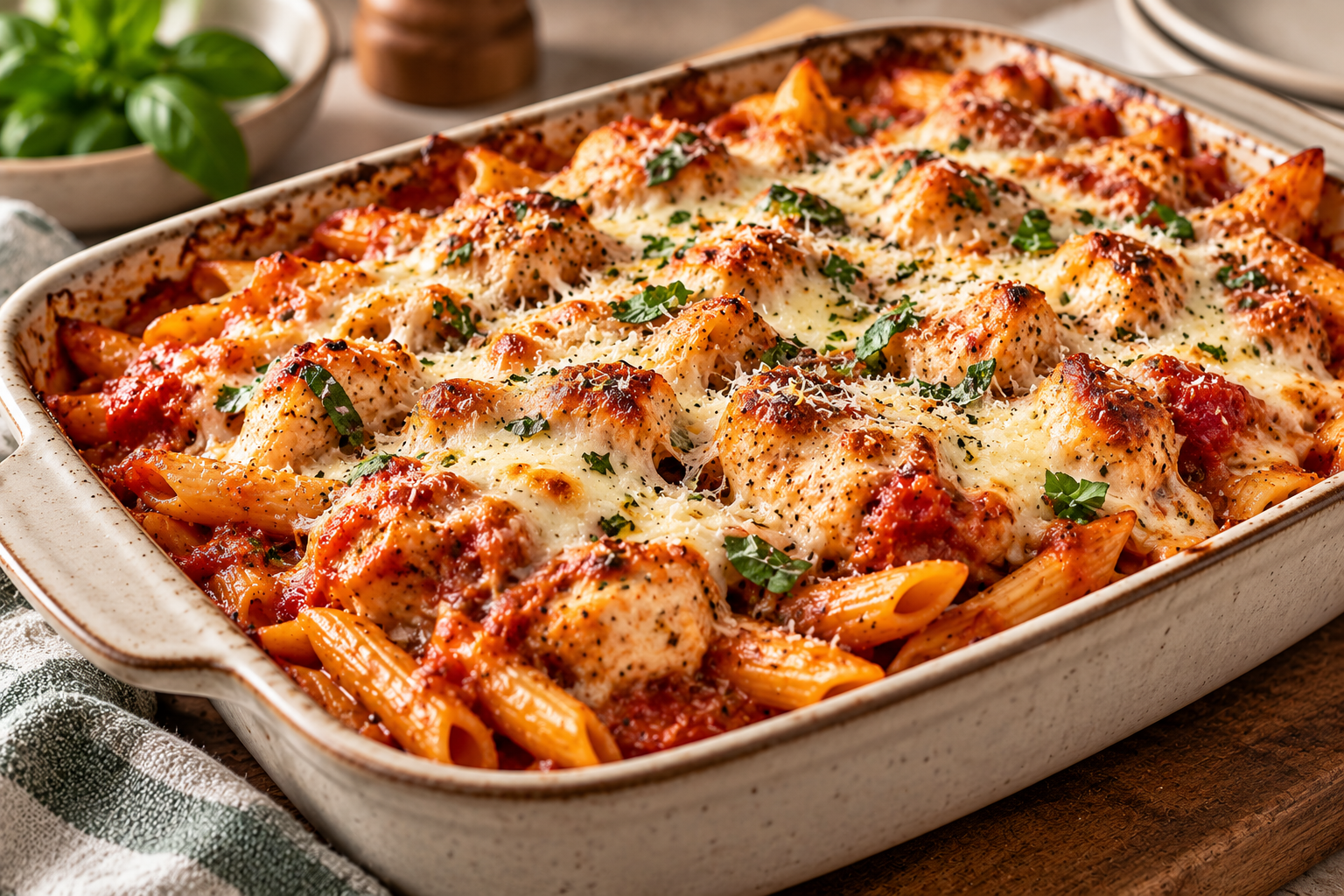
Try this ingredient in one of these recipes.


Questions or tips about this ingredient?